Conservatories & Orangeries.

Conservatories and Orangeries are both highly versatile rooms with lots to offer as home improvements, but which is the right choice for your property?

Types of Conservatories

Materials

As well as being versatile in use, conservatories offer many different choices of design with a whole range of shapes, styles and materials.

However while the design possibilities may seem infinite, nearly all are based on a few fundamental styles.

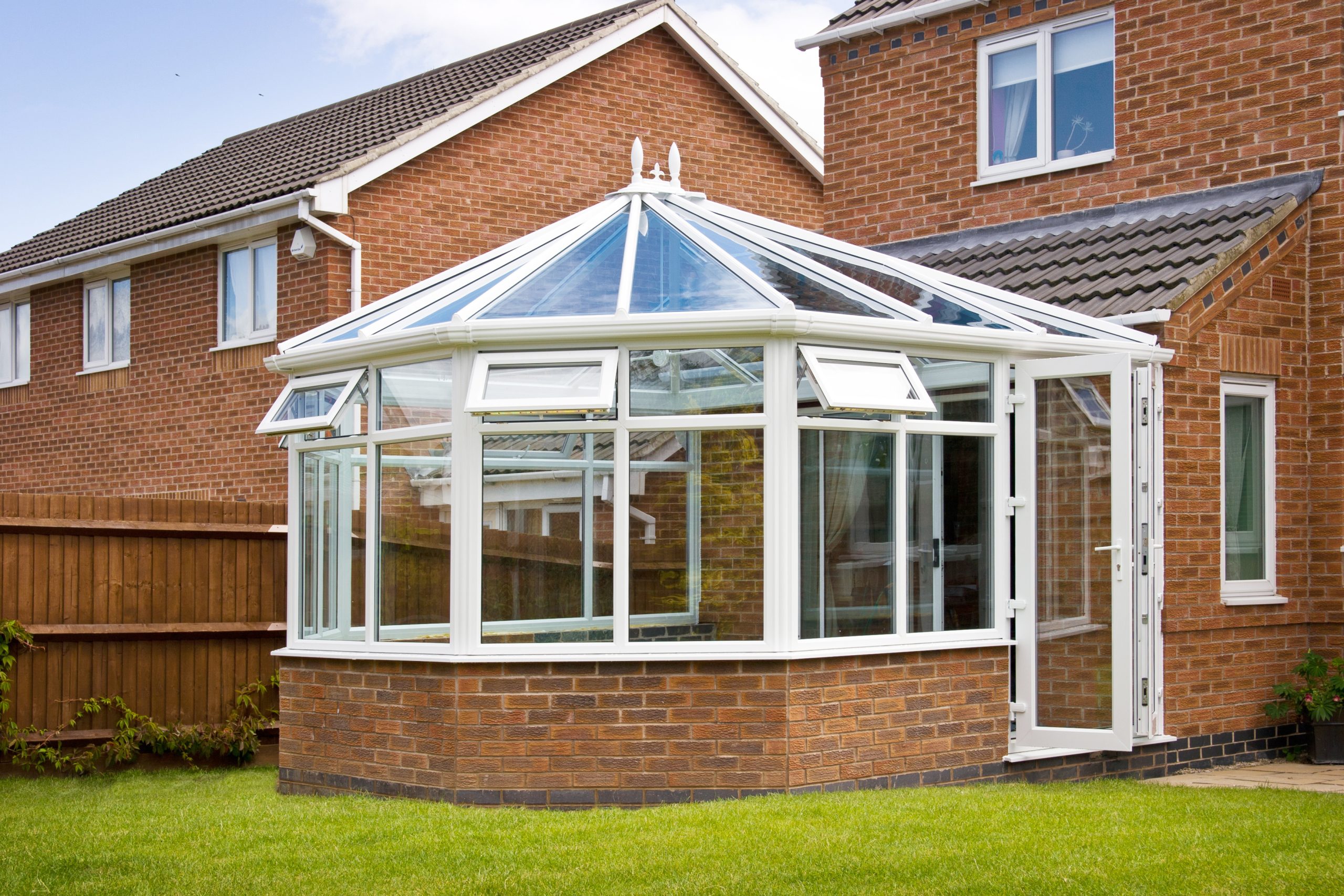
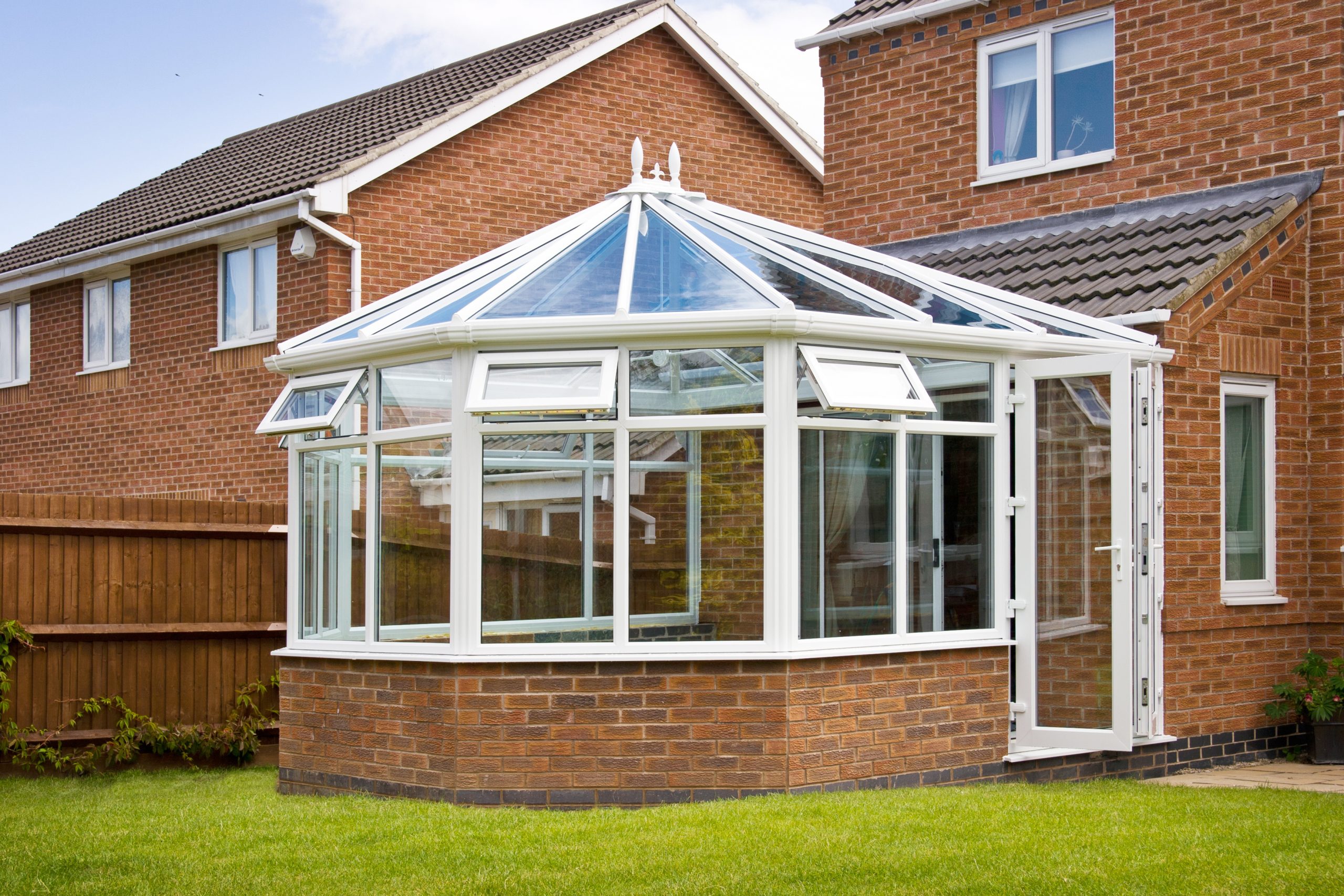
Victorian conservatory

A Victorian-style conservatory has a ridged roof and a multi-faceted end wall creating an elegant rounded effect.

Edwardian conservatory

Edwardian conservatories have a ridged roof combined with a rectangular base, giving the classical feel of the Victorian design, but with greater available space.

Edwardian gable conservatory

The Edwardian gable conservatory is designed so that the ridged roof meets a gabled end, resulting in very clean lines that suit many modern homes

Lean-to conservatory

A lean-to conservatory, sometimes known as Mediterranean or sun-room is the simplest design. The conservatory is a single-sloped roof with the longer wall adjoined to the house. It is also a useful style for fitting into a corner area.

P, L, T or U-shaped conservatory

P-shaped, L-shaped, T-shaped or U-shaped conservatories combine any of the above and the choices take on a massive scope. The options allow for a conservatory to be attached to almost any home.

Orangery

There is always the option of an orangery. The classic orangery uses a parapet wall and solid corner construction. This provides a more traditional design with all the benefits of a modern conservatory.

Off the wall

You can choose the material for the lower part of your conservatory. You can take the glass panels right to ground level or build a low wall, usually of material that matches the house. This will be highly insulated optimising comfort levels.

Custom conservatory

As well as the style options above you may opt to create a custom conservatory. The bespoke option allows for a truly individual design to suit your home and your needs.

Why does condensation occur in homes?

The air surrounding us in our homes always contains water vapour, which is invisible. A typical example is the steam cloud from a kettle, which rapidly becomes invisible – it has in fact been absorbed into the atmosphere.

Do I need planning permission for a conservatory or an orangery?

Provided they meet certain criteria (explained on the Government’s Planning Portal website, conservatories and orangeries don’t require planning permission.

Conservatory Thermal Efficiency

A conservatory can be designed with varying degrees of thermal efficiency.

Conservatories and Sustainability

The materials typically used to build a conservatory feature a large percentage of recycled material. In addition, the key materials used within your conservatory are all recyclable at the end of the conservatory’s life.
Conservatories

Conservatories add a highly versatile space to your home – perfect for dining, studying, recreation, horticulture or for simply relaxing in a pleasant natural light environment.

Orangeries

An orangery is similar to a conservatory but instead has a solid roof (sometimes with roof lights) but has clear glass around the sides.

Latest Conservatory Articles

Loading...